Recycling and Sustainability for Landscaping Norbiton
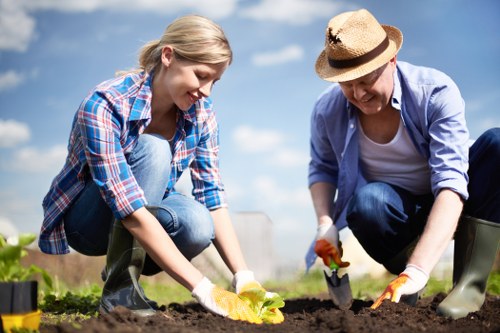 At Landscaping Norbiton, sustainability is built into the way every project is planned, delivered, and finished. Our approach to landscaping in Norbiton prioritises responsible material handling, reduced waste, and greener site practices that support the local environment. Whether a project involves a small garden refresh or a larger outdoor transformation, we focus on keeping reusable materials in circulation and ensuring that waste is sorted correctly from the start. This helps us reduce landfill reliance while supporting the wider boroughs’ efforts to improve recycling performance.
Our recycling and sustainability commitment begins with a simple target: at least 85% of suitable green waste and recyclable site materials are diverted from landfill wherever conditions allow. That target covers organic arisings such as grass cuttings, hedge trimmings, branches, soil, and selected hard landscaping offcuts. We also aim to separate plastics, metals, clean timber, cardboard, and inert materials so they can be recovered through appropriate recycling streams. In a borough environment where waste separation is increasingly important, this careful sorting supports cleaner collections and better resource recovery.
We work with local transfer stations and licensed waste facilities to make sure materials are handled efficiently and in line with environmental rules. Green waste from landscaping services in Norbiton is directed to facilities that can process it into compost or soil improver, while rubble and stone may be sent for crushing and reuse where available. This localised route reduces transport mileage and keeps waste moving through the shortest practical recovery chain.
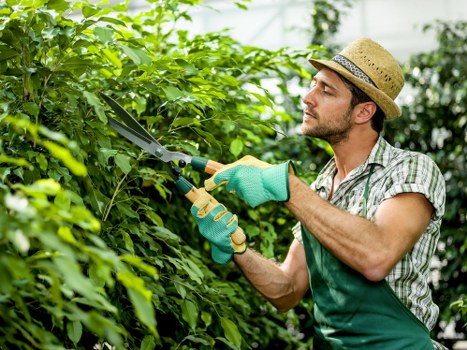 Using local transfer stations is an important part of our sustainability plan because it allows us to separate loads properly and send each material to the right destination. For example, mixed waste from garden clearances can be broken down into recoverable streams rather than being treated as a single disposal load. In areas where boroughs encourage residents and businesses to keep recyclables distinct, our process mirrors that approach on site by separating waste into timber, green cuttings, metals, soil, and general residuals. That means less contamination and better chances for reuse.
Our recycling process also includes the recovery of materials from hard landscaping tasks. Broken paving, old edging, surplus bricks, and extracted aggregates are assessed before disposal, and whenever possible they are reused on future projects or taken to facilities that can process construction waste responsibly. This supports a more circular way of working and helps Norbiton landscapers reduce the environmental cost of new material demand. Even small choices, such as saving clean topsoil or reusing quality stone, can have a meaningful effect over time.
We also take care to keep green waste streams as clean as possible. Leaves, turf, hedge trimmings, and pruning material are collected separately so they can be processed into useful soil products rather than becoming mixed with general rubbish. In practical terms, this makes it easier for local recycling routes to achieve higher recovery rates. It also reflects the growing emphasis across nearby boroughs on separating organic waste from dry recyclables and residual waste.
 Another important part of our sustainability work is partnership with charities and community organisations. Usable materials such as surplus planters, timber offcuts, spare paving, and gently used garden items may be passed on to charities where suitable, helping them support community projects, training initiatives, or low-cost reuse schemes. This gives a second life to materials that might otherwise be discarded and reinforces our belief that good landscape practice should benefit more than one site.
We also look for opportunities to support local environmental causes through the donation of recovered materials and plant matter that can be repurposed. For example, woodchips and mulch may be suitable for community gardens, while certain clean aggregates can be useful for non-profit outdoor maintenance tasks. These links with charities help turn recycling from a back-of-house task into a practical contribution to the local area. For recycling-focused landscaping in Norbiton, that means less waste and more value returned to the community.
In addition to waste recovery, we use low-carbon vans and more efficient routing to reduce the emissions associated with our work. Our vehicle choices are designed to support lower fuel use, and where possible, journeys are planned to minimise unnecessary mileage between supplier yards, transfer stations, and project locations. This is a key part of the broader sustainability strategy because even the most careful recycling system benefits from transport choices that reduce carbon output.
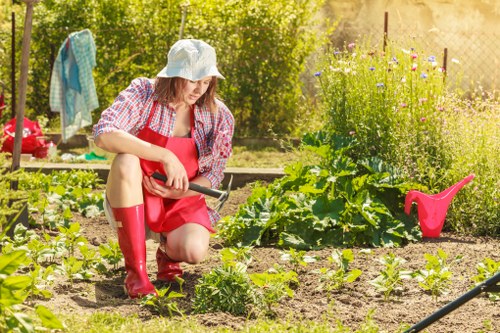 Low-carbon transport also helps us keep a lighter footprint when moving tools, plants, and recycled materials across the local area. By using modern vans with improved efficiency and lower emissions, we support cleaner air and reduce the environmental impact of routine landscaping operations. Combined with smart scheduling, this means fewer trips and more consolidated deliveries, which is especially useful when managing multiple jobs in and around Norbiton.
Our sustainability practices extend into the details of everyday site management. We aim to separate packaging from organic waste, keep uncontaminated materials clean for recycling, and avoid unnecessary use of single-use items. Where suitable, we choose recycled-content products and materials with lower embodied carbon. These decisions align with the kind of borough-level waste separation efforts seen across the region, where correct sorting at source improves the outcomes for recycling collection and processing.
We also encourage a thoughtful approach to excavation and spoil management. Soil is screened where possible, stones are saved for reuse, and only unsuitable material is sent onward for disposal. This careful handling is especially relevant to landscape recycling in Norbiton, where many projects involve a mix of soft landscaping, hardscape renewal, and garden restoration. By treating each material stream individually, we help ensure that valuable resources are not lost.
 Sustainability is not a single action but a system of choices that work together. From aiming to divert 85% or more of suitable waste from landfill, to using local transfer stations, to supporting charities with reusable materials, every stage of our process is designed to reduce waste and improve recovery. That approach allows Landscaping Norbiton to provide environmentally responsible outdoor work that reflects modern expectations for greener services.
As local authorities continue to strengthen recycling and waste separation practices, we remain committed to keeping our own methods aligned with those standards. For clients seeking recycling-conscious landscaping in Norbiton, our process offers a practical way to improve site efficiency while reducing environmental impact. Through better sorting, cleaner material handling, and lower-carbon transport, we aim to make every project a positive step toward a more sustainable local landscape.